

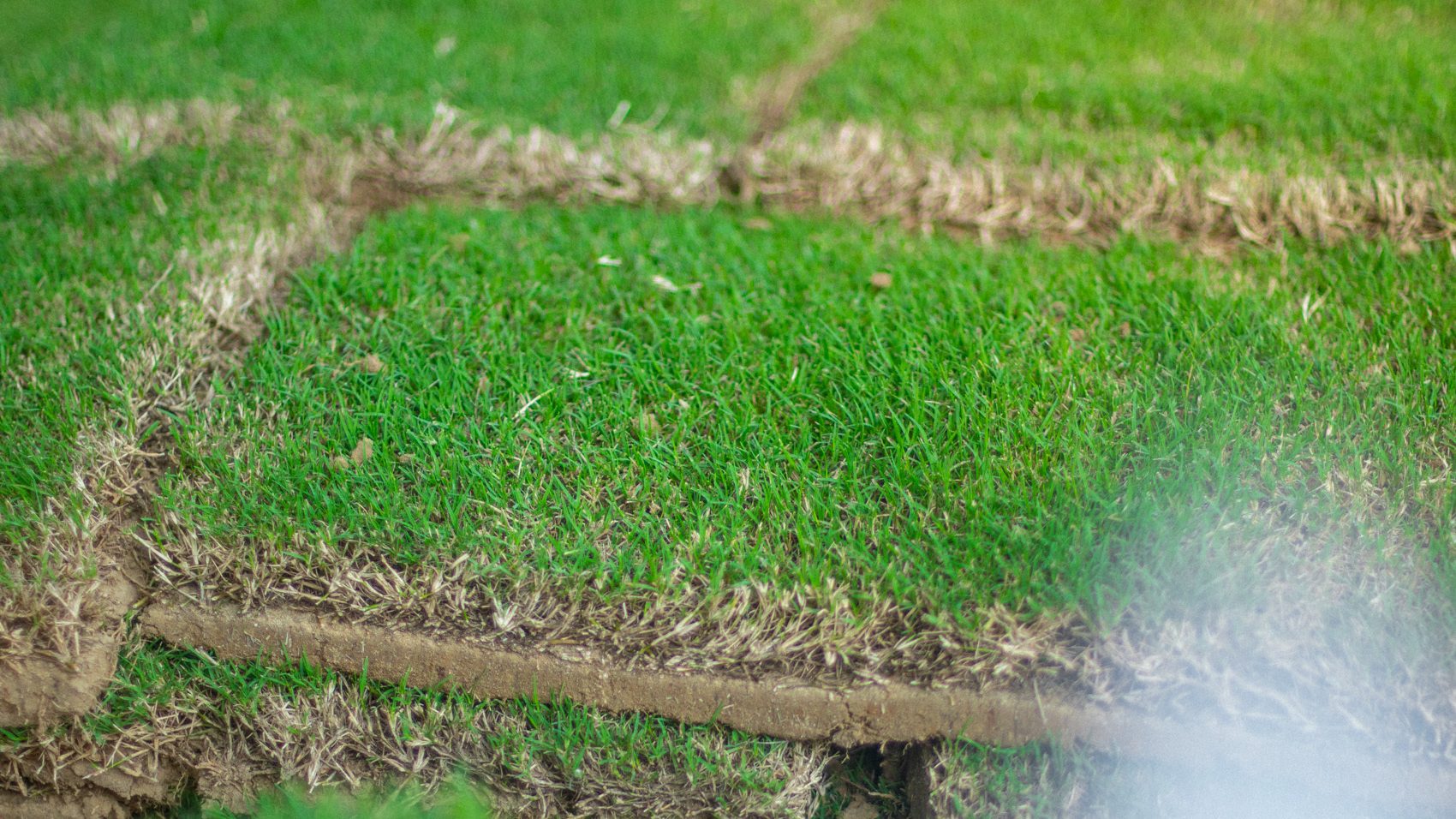
Every fall we get the same question at the counter, usually from somebody who has just watched their lawn go the color of a paper bag and wants to know what has gone wrong with it.
Nothing has. Bermuda is a warm-season grass and it goes dormant when the nights cool off. That's the plant resting rather than the plant dying, and it comes back on its own in spring. Zoysia does the same thing, and so does centipede. A brown lawn in January is a healthy lawn in January.
It's a seasonal cover on top of the lawn, not a change to what the lawn is.
What overseeding is
Overseeding means sowing annual ryegrass over the top of a dormant lawn in the fall. Ryegrass is a cool-season grass, so it germinates and grows in the months the bermuda underneath is asleep, and you get a green surface through the winter.
It's temporary by design. When the heat returns in late spring the ryegrass finishes and the bermuda takes the lawn back. It's a seasonal cover on top of the lawn, not a change to what the lawn is.
What comes with it
The main thing to plan for is mowing. A dormant lawn asks nothing of you from fall until spring. An overseeded one keeps growing and keeps needing cutting through those months, so it's worth knowing that going in rather than discovering it in January.
There's also the changeover in spring, when the ryegrass is finishing and the bermuda is waking up. Both are on the lawn at once for a few weeks and it can look patchy while that happens. It sorts itself out as the heat comes on.
Which grasses it suits
Overseeding is done on bermuda. Of what we carry that means TifTuf, Tifway 419 and Celebration.
Zoysia and St. Augustine aren't usually overseeded. They're slower to come out of dormancy in spring than bermuda is, and the practice isn't part of how those lawns are normally kept. If you have one of those and you're thinking about winter color, come and talk to us about it rather than assuming the bermuda approach carries across.
What the year looks like
Sown in the fall, the ryegrass germinates within a couple of weeks and carries the color through the coldest part of the year. Through midwinter it's the ryegrass you're looking at and the ryegrass you're mowing.
As the soil warms in spring the bermuda underneath starts moving again and the ryegrass begins to fade. By early summer the ryegrass is gone and the lawn is back to being what it was. The bermuda is the same lawn throughout; it has simply been out of sight for a season.
Timing
The window is set by the weather rather than by a date on the calendar. Sow too early and the lawn is still growing strongly enough to crowd the seed out. Sow too late and the soil is too cool for the ryegrass to establish before the first hard nights.
It moves year to year, so ask us in the fall where we think it's sitting. It's a short conversation and it makes the difference between seed that takes and seed that doesn't.
If you're weighing it up
It comes down to how much the winter color matters to you and whether you want to keep mowing through those months. Both of those are your call rather than ours.
What we can do is tell you what your lawn is, whether it's a candidate, and what the timing looks like this year. Come by and ask.
← All posts