

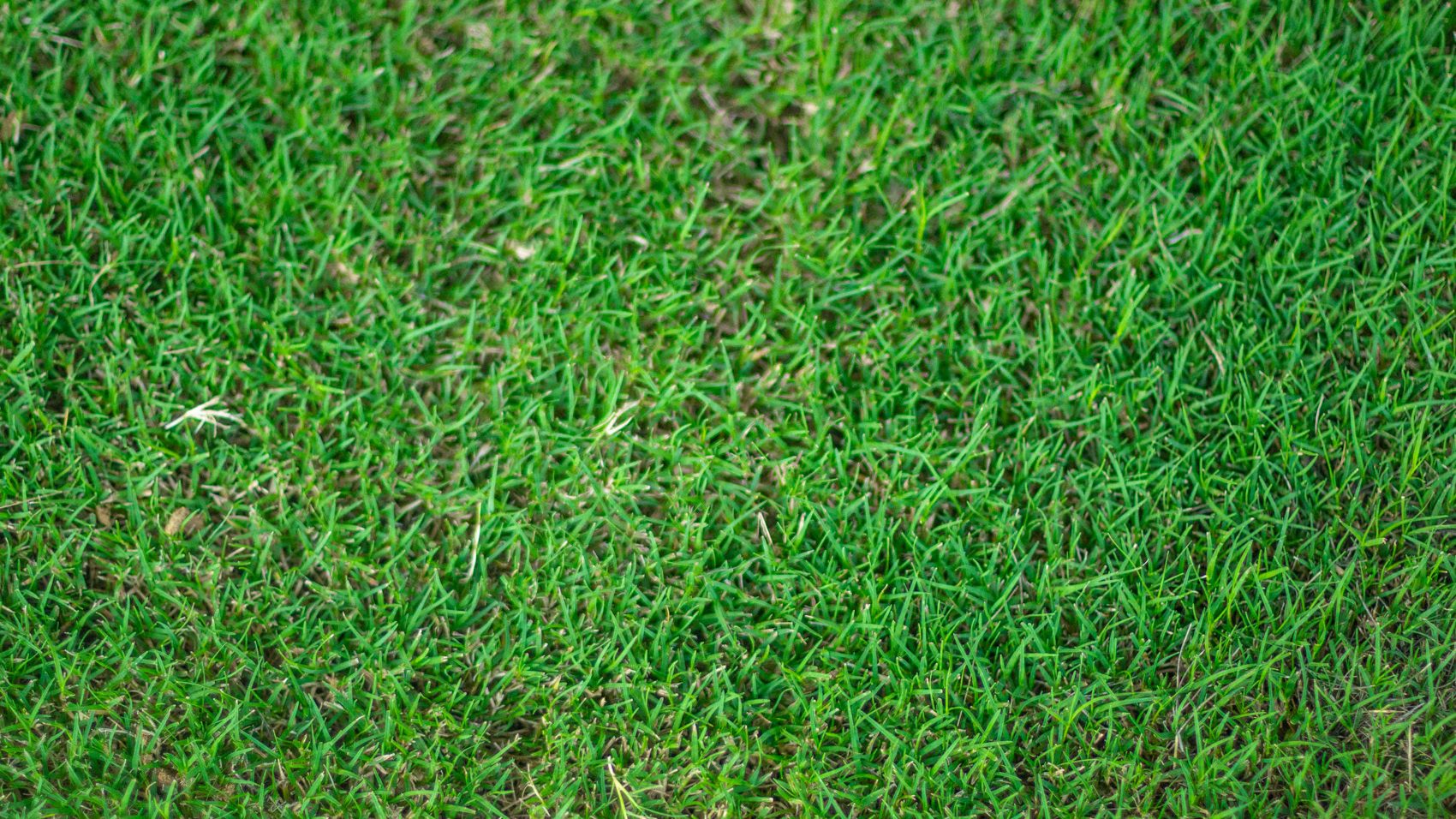
Centipede is everywhere around Augusta, and for good reasons. It's the most affordable lawn we carry, it doesn't ask for much water once it's established, and it's well suited to the sandy acid soil a lot of this area has.
It also behaves differently from the other grasses we sell, and that's where people come unstuck. A routine that keeps a bermuda or a zoysia looking sharp isn't the routine centipede wants.
It's built to run on very little. That's the design of the plant, not a shortcoming in it.
A low-fertility grass
Centipede is a low-fertility grass. It's built to run on very little, and that's the design of the plant rather than a shortcoming in it.
Nimmer, who grow it, put its fertility requirement as low and describe it as generally more trouble-free than other grasses. Both halves of that are worth holding on to. It asks little of you, and the routine that suits it is a light one.
Feeding it like a bermuda
The pattern we hear described most often runs like this. A heavy feed goes down in spring, the lawn greens up hard and looks excellent in May, so another feed follows in early summer.
By August it doesn't look as good, and the instinct is to feed it again. Centipede is the one grass in our range where that instinct is worth pausing on, because its requirement is genuinely low and more isn't the lever it is on other lawns.
If you're unsure what your lawn is actually getting, that's a good thing to work out before adding anything else to it.
Soil pH is worth knowing
Centipede prefers acid soil, roughly 5.0 to 6.5. That's narrower and lower than a lot of lawn grasses want.
Because of that, anything that shifts soil pH upwards is worth understanding before it goes down rather than after. A soil test is inexpensive, it's available through the county extension office, and it turns the whole question from guesswork into a number you can act on.
Water it like what it is
Centipede doesn't need much water once it's established, which is one of the reasons it suits this area. Established means the roots have knitted into the soil underneath rather than sitting in the sod layer, and a simple test is whether a corner still lifts when you pull at it.
Before that point a new lawn does need consistent water while it roots in. After it, deep and occasional beats little and often. Shallow daily watering keeps the roots near the surface, which is the opposite of what you want going into a dry August.
Check the drainage too
Not every failing lawn is a feeding problem. Grass drowns as readily as it dries out, and a low spot that holds water after every storm will take out turf regardless of which variety goes into it.
If a patch fails, comes back, and fails again in the same place, the grade is worth looking at before the grass is. New sod laid over the same low spot tends to go the same way.
Bring us a plug
If a centipede lawn isn't doing well, bring us a piece of it. Palm-sized, an inch or two deep so the roots come with it, from the middle of the lawn rather than the edge.
We'll tell you what species it actually is, whether it looks healthy, and what we'd suggest from there. No appointment, and there's no charge for it.
← All posts